
What Happens When You Get A Cavity
Alright, gather 'round, folks, and let me tell you a tale. A tale as old as time, or at least as old as that questionable candy you snuck when your parents weren't looking. We're talking about cavities. Those tiny, sneaky invaders that can turn your pearly whites into… well, less pearly, and a lot more… pained.
So, what exactly happens when you get a cavity? Imagine your mouth is a bustling city. Your teeth are the skyscrapers, strong and proud. And then, there are these little rascals called bacteria. They’re like tiny, microscopic party animals, and their favorite rave is happening all over your teeth, especially after you’ve indulged in some sugary delights. Think of it as their all-you-can-eat buffet.
These party animals, specifically the ones named Streptococcus mutans (don't worry, you don't need to remember that, unless you're aiming for a career in dental microbiology), munch on the sugars and starches left behind on your teeth. And just like any good party-goer, they leave behind… waste. This waste, my friends, is an acid. Yep, your mouth is suddenly hosting a tiny, acidic rave, and your enamel is the dance floor that’s taking a beating.
The Enamel's Existential Crisis
Now, your tooth enamel is the toughest substance in your body. It's like the superhero of your mouth, protecting the softer parts beneath. It’s so strong, it can even withstand the Hulk’s temper tantrums (probably). But even superheroes have their kryptonite, and for enamel, it’s prolonged exposure to this bacterial acid party.
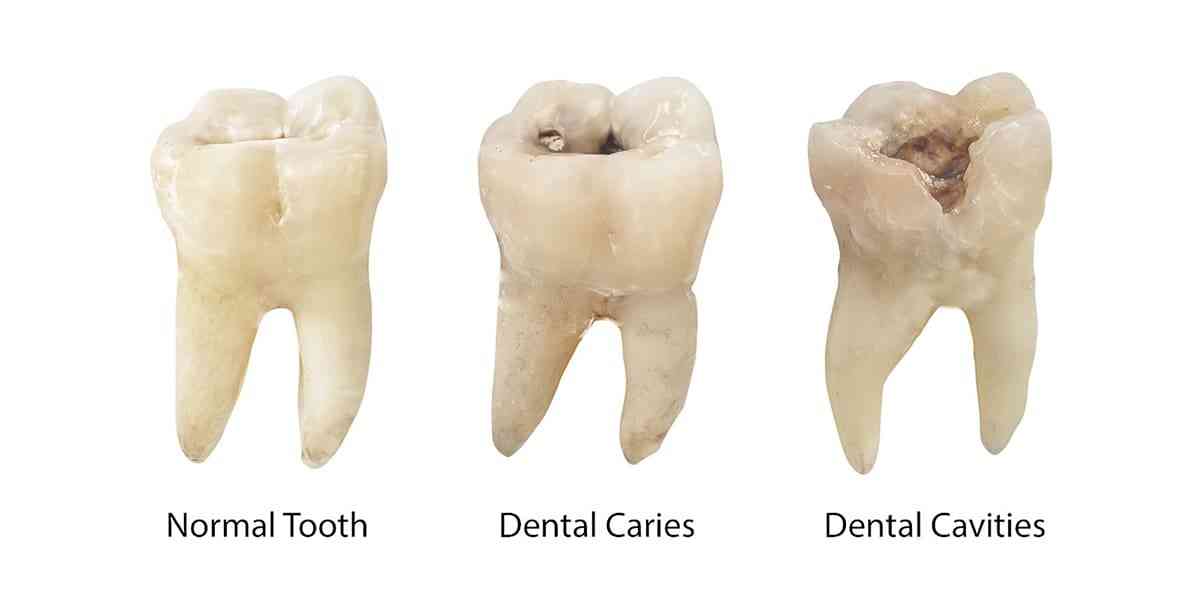
When the acid lingers (thanks, infrequent brushing!), it starts to chip away at the enamel. Think of it like tiny little pebbles being thrown at a fortress. At first, it's just superficial. You might not even notice. It’s like a little pothole forming on the highway of your smile. Annoying, but you might drive over it without a second thought.
This initial stage is called demineralization. The minerals that make your enamel so strong are being leached out. It’s like your superhero losing a bit of its shine. Your dentist, with their trusty little mirror and pointy thingy (technical term, I promise), can often spot these early warning signs. They might even say something like, "Hmm, looks like a little chalky spot here." And you're thinking, "Chalky? My teeth are supposed to be like diamonds, not kindergarten art supplies!"
When Things Get Serious (and a Little Sensitive)
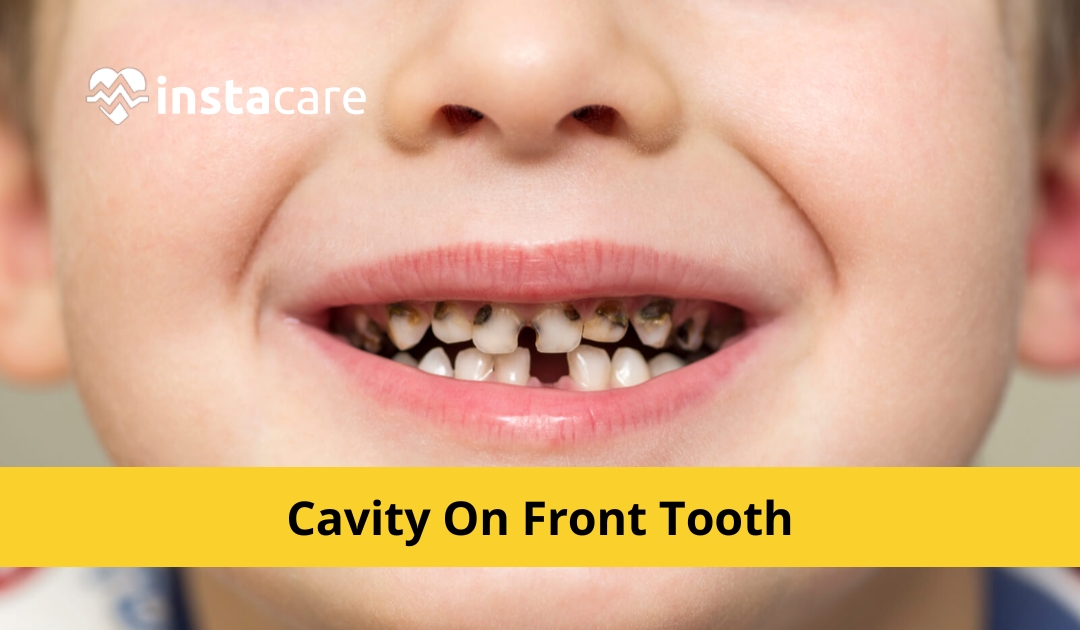
If the acid party keeps raging, and no one’s cleaning up the mess, that little pothole can start to deepen. The enamel’s defenses are breached. We’re talking about going from a superficial scratch to a full-blown crater. This is when you enter the realm of a cavity, a hole that has actually formed in your tooth.
At this point, the acid has burrowed its way through the tough enamel and is starting to bother the next layer, called dentin. Dentin is softer and more porous, kind of like the sensitive underbelly of your tooth. It's got tiny little tubes that lead all the way to the nerve – the VIP section of your tooth’s party.
And when that acid gets close to the nerve, or if something cold, hot, or even a sweet crumb of cookie touches that exposed dentin, you might start to feel it. That’s the first real ouch moment. It's your tooth sending out an SOS signal, like a tiny alarm bell going off in your head. It’s the universe’s way of saying, "Hey, maybe that extra gummy worm wasn't the best idea."
The Nerve-Wracking Part
If the cavity continues its relentless march, it can eventually reach the pulp – the very center of your tooth where the nerves and blood vessels reside. This is where things get really interesting, and not in a good way. Imagine the acid party crashing the nerve’s private lounge. It’s going to get loud. It’s going to get painful. It’s going to get inflammatory.
This is when you might experience toothache. Not just a little tingle, but a throbbing, persistent pain. It can keep you up at night, make you wince when you’re sipping your morning coffee, and generally make you question all your life choices that led to this moment. It’s the tooth’s final, desperate attempt to get your attention.
In more severe cases, the infection can spread. The bacteria can cause an abscess, which is basically a pocket of pus. Think of it as the rave getting way out of hand, and now there’s a literal mess to clean up, and it’s not pretty. This can lead to swelling in your face and jaw, and you might even feel a bit under the weather. Your body is trying to fight off the invaders, but it’s like bringing a water pistol to a wildfire.
Surprising Facts You Didn't Know You Needed
Did you know that the bacteria responsible for cavities are actually present in most people’s mouths from a young age? It’s true! They’re like tiny tenants who move in and decide to throw a perpetual party. The key is to manage the guest list and the party favors.
Also, some people are genetically more prone to cavities. It’s not entirely your fault! Some enamel is just naturally thinner or has a different mineral composition, making it a more inviting target for those party-loving bacteria. So, if your grandma had a lot of fillings, you might have inherited that predisposition.
And get this: even if you brush and floss religiously, you can still get a cavity! Sometimes, the bacteria just find that one perfect little nook or cranny to set up shop, and it’s tough to get them out. That’s why regular dental check-ups are so important. Your dentist is like the bouncer who can spot trouble before it escalates.
The Great Cavity Escape Plan
The good news? Cavities are totally preventable and, in their early stages, often treatable. The dental superhero, your dentist, has a few tricks up their sleeve. For those early chalky spots, they might recommend fluoride treatments. Fluoride is like a super-strengthening serum for your enamel, helping it to remineralize and fight off those acids. It’s basically giving your superhero a power-up!
When the cavity has progressed a bit, they’ll likely recommend a filling. This is where they drill away the decayed part of the tooth (don't worry, there's numbing stuff!) and then fill the hole with a special material, like composite resin or amalgam. It's like patching up that pothole with a durable, tooth-colored material. Your skyscraper gets repaired!
If things have gone too far and the nerve is involved, you might be looking at a root canal. This is where they clean out the infected pulp and seal the tooth. It's a bit more involved, but it's a way to save a tooth that would otherwise need to be pulled. Think of it as a major renovation to save a beloved building.
And in the worst-case scenario, the tooth might need to be extracted. This is like demolishing a building that's beyond repair. But don't fret! There are options for replacing missing teeth, so your smile can still be a five-star establishment.

So, there you have it. The not-so-glamorous but entirely essential story of what happens when you get a cavity. It’s a tiny battle happening in your mouth, a testament to the constant interplay between us and the microscopic world. Now, if you'll excuse me, I suddenly have a powerful urge to go floss. And maybe avoid that second cookie.