
How Do You Clean Breast Pump Parts

Ah, the humble breast pump. A true superhero in the often-chaotic world of new parenthood, enabling milk-making magic and precious moments of independence (or just a much-needed shower!). But let's be real, alongside the joy of a full freezer stash comes the inevitable question: How on earth do you keep all these fiddly bits clean? Fear not, fellow parent! We're diving into the nitty-gritty of breast pump part purification with a vibe as chill as your baby after a good feeding.
Think of cleaning your pump parts not as a chore, but as a mini spa treatment for your milk-making machinery. It’s about ensuring the purest, freshest goodness for your little one. And hey, if you’ve ever binge-watched The Great British Bake Off while diligently scrubbing a flange, you’ve already mastered the art of mindful multitasking.
The Golden Rule: Wash 'Em Like They're About to Meet Royalty
The CDC (Centers for Disease Control and Prevention) has some pretty clear guidelines, and honestly, they’re a great starting point. The overarching principle is that all parts that come into contact with breast milk should be cleaned thoroughly after every use. We're talking flanges, bottles, valves, membranes – the whole gang.
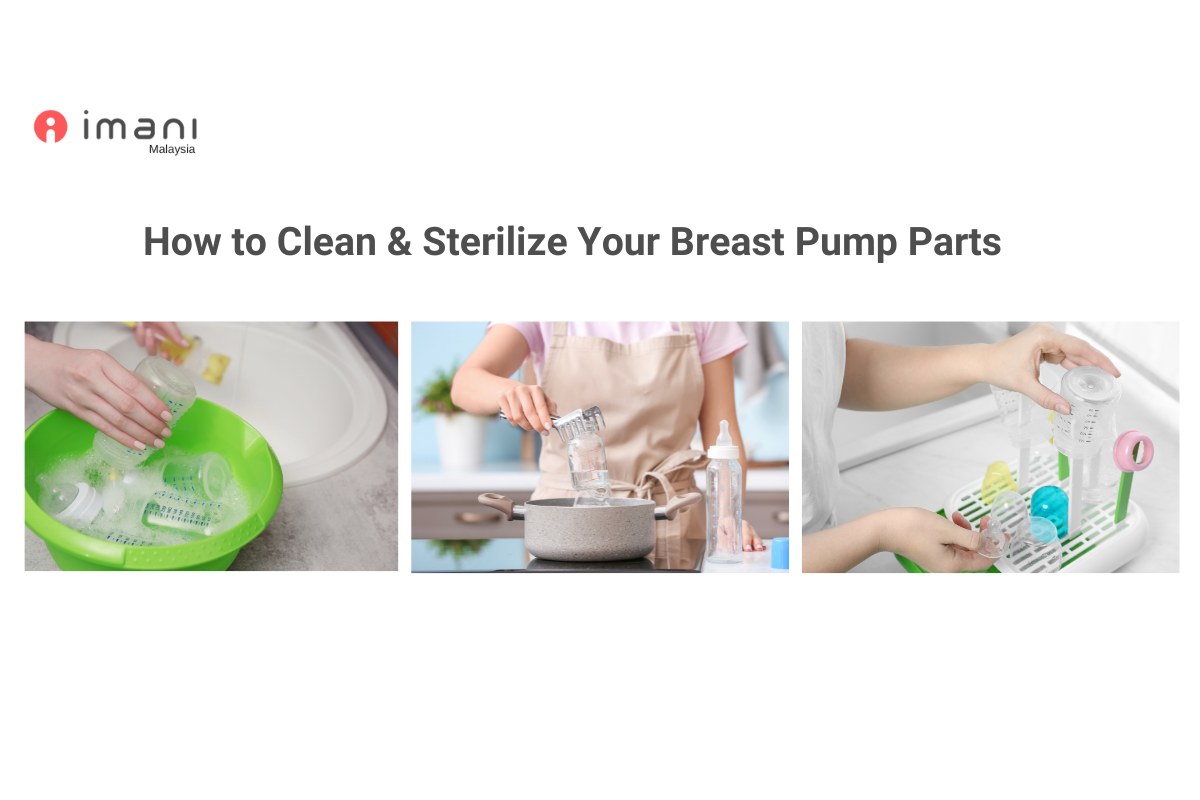
This might sound a tad intense, especially at 3 AM when sleep deprivation is your primary companion, but it's crucial for preventing the growth of bacteria. Think of it like this: you wouldn't leave leftover milk sitting out on the counter, right? Same logic applies to your pump parts. Consistency is key, and a little bit of daily dedication goes a long way.
Your Daily Decontamination Ritual: A Step-by-Step Guide
So, what does this daily deep clean actually look like? Let's break it down:
Step 1: The Pre-Rinse Party
As soon as you're done pumping, give those milk-touched parts a good rinse with cold water. Why cold? Because hot water can actually "cook" any residual milk proteins onto the plastic, making them harder to remove later. It's a simple trick, but it makes a world of difference. Think of it as the opening act for your cleaning symphony.
Step 2: The Soapy Scrub Down
Now, for the main event! You'll need a clean wash basin or sink (dedicated solely for pump parts and baby bottles is ideal, avoiding any cross-contamination from raw meats, for example), hot, soapy water, and a dedicated bottle brush. Use mild dish soap – nothing too fragrant or antibacterial, as those can leave residues. Scrub all the parts thoroughly, paying extra attention to nooks and crannies. For those tiny valves and membranes, a smaller brush or even a clean toothbrush can be your best friend.
Imagine yourself as a Michelin-starred chef meticulously preparing the finest ingredients. You’re not just cleaning; you’re curating a sanitary environment. And while you’re at it, crank up your favorite podcast or a bit of upbeat music. Turn this into your moment!
Step 3: The Rinse and Repeat (But Better!)
Rinse everything thoroughly under hot running water to remove all traces of soap. You don't want any soapy aftertaste interfering with your precious milk. Think of it as a final polish, ensuring everything is pristine and ready for its next duty.
Step 4: The Air Dry Oasis
This is where patience comes in. After rinsing, place the parts on a clean drying rack or a clean dishtowel, ensuring they are completely air-dried. Avoid using a regular kitchen towel, which might harbor lingering germs. A dedicated drying mat or a clean paper towel works wonders. Make sure there’s good airflow around them so they can dry completely. Dampness is the enemy of cleanliness!
It’s also a great opportunity to admire your clean parts. They’re like little trophies of your pumping prowess!
Beyond the Daily Grind: Deep Cleaning Delights
While the daily routine keeps things on track, a deeper clean is also a good idea, especially if your pump has been in storage or if you’re sharing it (which, please, don't without proper sanitization in between users!).
The Sterilization Station: Bringing Out the Big Guns
The CDC recommends sterilizing pump parts at least once a day. This is especially important for newborns and babies under three months, or those with weakened immune systems. You have a few options here, all tried and true:
- Boiling: The classic method. Submerge all pump parts in a pot of boiling water for 5 minutes. Make sure nothing floats to the surface and touches the sides of the pot directly.
- Dishwasher: If your pump parts are dishwasher-safe (check your manual!), use the hot water cycle and a heated drying cycle. It’s a convenient way to get everything sanitized and dried in one go.
- Steam Sterilizers: These electric gadgets are super popular and efficient. You just pop your parts in, add water, press a button, and voilà! Perfectly sterilized parts in minutes. It’s like having a mini science lab in your kitchen.
- Microwave Sterilizer Bags: These are fantastic for on-the-go or for quick sanitization. You place the parts in the bag with a little water, zip it up, and microwave for a few minutes. Super convenient!
No matter which method you choose, ensure that all parts that touch milk are sterilized. This extra layer of protection is like giving your baby’s immune system a superhero cape.
Pro Tips for Pumping Parents
Let’s sprinkle in some extra magic to make your cleaning life even smoother:
- Invest in Extras: Having multiple sets of pump parts is a game-changer. This way, you can always have a clean set ready to go while another set is being washed and dried. It’s like having a backup dancer for your milk production.
- The Travel Kit: Keep a small travel bag with wipes and a small container for used parts if you’re pumping away from home. This prevents milk-covered parts from contaminating your diaper bag or purse.
- Inspect Regularly: Over time, membranes and valves can wear out. Check them regularly for any signs of wear and tear, like stiffness or cracks. Replacing them ensures optimal suction and milk output. It’s like giving your car a tune-up.
- Don't Forget the Tubing! Generally, the tubing itself does not come into contact with milk. However, if you notice condensation or milk entering the tubing (a sign your seals might need checking!), you may need to clean it according to the manufacturer’s instructions. Most manufacturers advise against submerging tubing in water.
- Mindful Drying: As mentioned, complete dryness is crucial. If you’re in a humid climate or find drying takes forever, consider using a small fan to speed up the air-drying process.
- Cleanliness is Next to Pump-liness: Before you even start pumping, wash your hands! It’s a simple, yet often overlooked, step that prevents introducing germs from your hands to your pump and milk.
A Nod to the Past and Present
Cleaning breast pump parts might feel like a modern-day ritual, but the drive to keep milk pure for infants is as old as time. Historically, mothers would have relied on various methods to ensure the cleanliness of feeding vessels, from boiling water in rudimentary pots to employing natural antibacterial agents. While our methods are a bit more sophisticated now (thank goodness for stainless steel and BPA-free plastics!), the underlying intention remains the same: to nurture and protect our little ones.
Think about the grandmothers and great-grandmothers who breastfed and bottle-fed their babies before the advent of electric pumps. They had their own ingenious ways of keeping things hygienic, often with fewer resources than we have today. It's a beautiful connection to a timeless maternal instinct.
A Little Fun Fact Break
Did you know that some studies suggest that the unique microbiome of a mother’s milk can actually help protect a baby from certain infections? It’s a reminder of the incredible, self-regulating power of breast milk. By keeping our pump parts clean, we're essentially acting as custodians of this amazing natural resource, ensuring it reaches our babies in its purest form.
The Bigger Picture: More Than Just Clean Parts
At the end of the day, cleaning your breast pump parts is more than just a practical necessity. It’s an act of love, a commitment to your baby’s well-being, and a small piece of self-care in the whirlwind of parenthood. It’s about taking a few minutes out of your day to do something essential, something that directly contributes to the health and nourishment of your little one.
When you’re in the throes of early parenthood, the simple act of washing a flange can feel monumental. It's a tangible task you can accomplish, a small victory in a day filled with unknowns. It’s a moment of quiet focus amidst the beautiful chaos. So, the next time you’re standing at the sink, gently scrubbing those parts, remember that you’re not just cleaning plastic and silicone; you’re participating in a timeless ritual of nurturing, all while keeping your milk as pristine as a freshly bloomed lotus.

And hey, if you find yourself humming a little tune while you work, or secretly wishing your pump parts came in a designer color, you’re definitely not alone. We’re all in this together, navigating the wonderful, messy, and utterly rewarding journey of parenthood, one clean pump part at a time.