
Detroit Historical Museum
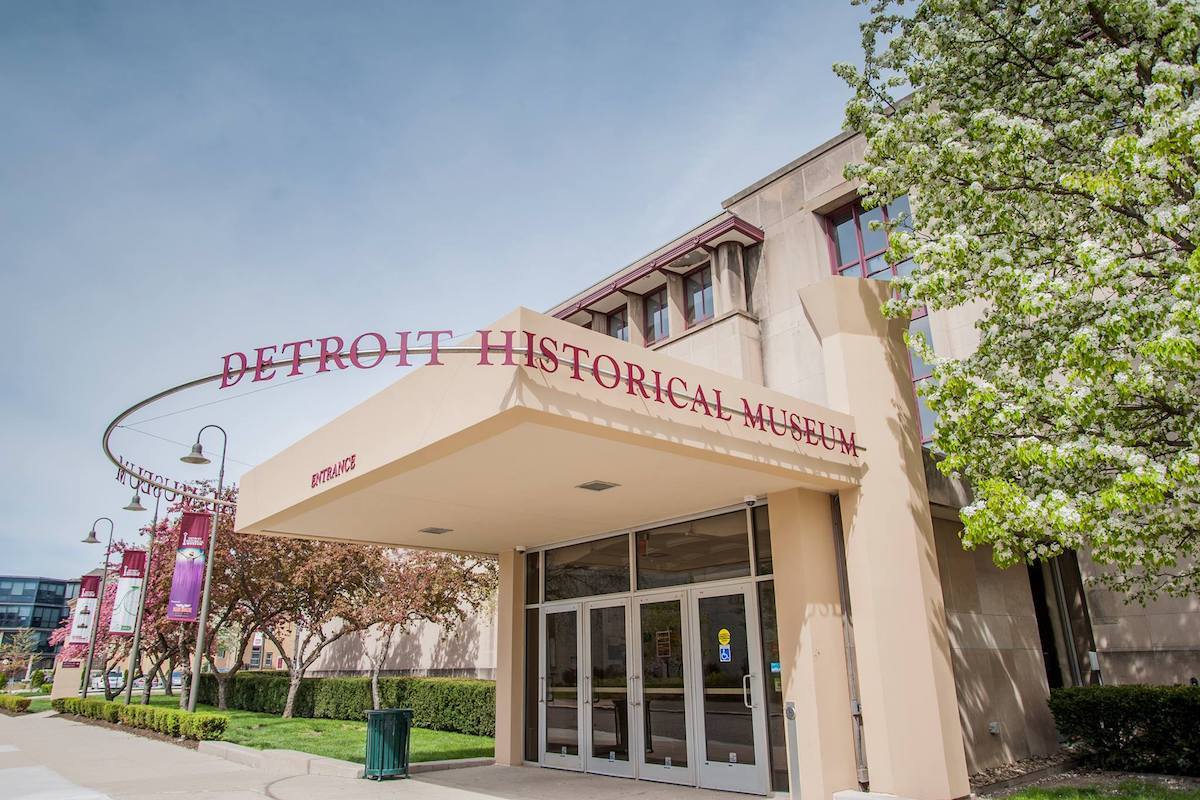
Ever feel like you're drowning in the "what ifs" and "if onlys" of history? Like the past is just a bunch of stuffy museums with hushed tones and dusty glass cases filled with things you can't touch? Well, let me tell you, my friends, the Detroit Historical Museum is here to bust that myth wide open like a pop-top can of Vernors on a hot summer day.
Think of it this way: this place is less "shush, darling" and more "hey, check THIS out!" It's like your cool older cousin who actually remembers what it was like to walk through a 1930s auto plant or flip through the channels on a TV that weighed more than a Smart car. You know the type. The one with the slightly faded, but still awesome, stories that make you say, "No way! Really?"
Seriously, stepping into the Detroit Historical Museum is like walking into a giant, well-loved scrapbook of a city that’s seen it all. It’s the kind of place that makes you feel a little nostalgic, even if you weren't around for most of it. It’s got that vibe, you know? The one that makes you want to lean in and listen, like you’re catching up with an old friend over a cup of coffee (or, in Detroit, maybe a coney dog).

The Streets of Old Detroit: A Time Warp You Didn't Need a DeLorean For
Now, the absolute star of the show, the thing that’ll have you doing a double-take and muttering "Whoa," is the Streets of Old Detroit exhibit. Forget those sterile dioramas where everything looks too perfect. This is like walking onto a movie set, but it's real. They've recreated actual streets from different eras, complete with storefronts, flickering streetlights, and the phantom smell of baking bread or maybe even a hint of exhaust fumes (because, well, Detroit).
You can practically hear the clatter of horse-drawn carriages giving way to the rumble of early automobiles. You can peek into a 1920s drug store, complete with dusty apothecary jars and maybe even a shadowy figure behind the counter who looks suspiciously like he’s dispensing more than just aspirin. You half expect a flapper to sashay out, ready for a night on the town.
And then there’s the 1940s street. This is where things get really interesting. You can see what a typical neighborhood looked like, the kind of shops people frequented, the advertisements that plastered the walls. It’s like a visual history lesson that doesn't feel like homework. It’s more like a fascinating eavesdrop into the past.
I remember standing there, looking at a vintage barber shop, and thinking about my own dad’s barber. The same red-and-white striped pole, the same slightly intimidating chair. It’s those little connections that make history feel alive, not just a bunch of dates and names in a textbook. It’s the stuff that makes you go, "Yep, I get that."
It's so immersive, you almost forget you’re in a museum. You might find yourself instinctively reaching for a newspaper from 1935 or wondering where you can grab a bottle of pop from that corner store. It’s the kind of experience that makes you appreciate how far we’ve come, and also how some things, like the need for a good haircut or a friendly chat, never really change.
The Mighty Engine of Innovation: Where Cars Ruled the World (and Still Kind of Do)
Now, you can't talk about Detroit without talking about cars. It's like trying to talk about pizza without mentioning cheese. It's just… fundamental. And the Detroit Historical Museum doesn't shy away from this. They’ve got the goods, my friends. The "Detroit: Automotive City" exhibit is basically a love letter to the automobile and the industry that put this city on the map.
You’ll see everything from the early sputtering contraptions that looked like they were held together with hope and a prayer, to sleek, shiny beauties that still turn heads today. It’s a chronological journey that shows you how this city became the undisputed king of the road. You can practically feel the grit and determination of the workers who built these machines, the ingenuity of the engineers who dreamed them up.
There are stories here of triumph, of struggle, of the sheer, unadulterated passion that fueled this industry. You’ll learn about the people behind the wheel, the families whose lives were shaped by the assembly line. It’s not just about the metal and rubber; it’s about the human stories that made it all happen.
I swear, I saw a vintage Ford Model T and it looked so… honest. It wasn't trying to be anything it wasn't. It was a tool, a means of freedom, and you could see the pride in its design. It made me think about my own car, the one I rely on to get my groceries, to pick up the kids, to escape for a weekend. It’s all connected, you know? That same spirit of innovation is still out there, just in different forms.
And don't even get me started on the sheer scale of it all. Seeing the early assembly lines, the sheer number of workers required to build a single car, it really puts into perspective the kind of massive undertaking that was the birth of mass production. It’s enough to make you want to give a standing ovation to Henry Ford, or at least buy him a really good sandwich.
They also have exhibits that delve into the cultural impact of the automobile. How it changed where people lived, how they socialized, the very fabric of American life. It’s not just about the nuts and bolts; it’s about the revolution on four wheels.
Beyond the Assembly Line: Detroit's Wider Story
But here’s the thing about Detroit: it’s so much more than just cars. And the museum knows it. They do a fantastic job of showcasing the city's diverse heritage and its contributions to music, culture, and so much more. You’ll find exhibits on the city’s vibrant music scene, from Motown to the punk rock underground. You can get a feel for the rhythms that have pulsed through Detroit’s veins for decades.
There are also stories of the incredible people who have called Detroit home – entrepreneurs, artists, activists, everyday heroes. These are the folks who built this city, who fought for its progress, and who continue to shape its future. It’s a reminder that history isn’t just made by famous figures in fancy suits; it’s made by everyone.
I found myself particularly drawn to a display about the city's early immigration patterns. Seeing the artifacts and hearing the stories of people who arrived with little more than the clothes on their backs and a dream in their hearts, it's incredibly powerful. It’s a testament to the resilience and spirit of this city, which has always been a place of refuge and opportunity.
They even have exhibits that touch on the city's resilience in the face of challenges. It's not always been an easy ride for Detroit, and the museum doesn't shy away from that. It presents a nuanced picture, acknowledging the struggles alongside the triumphs. It’s that honesty that makes the museum so compelling.
It’s the kind of place where you might go in expecting to see old cars and leave with a newfound appreciation for the complexities and richness of human history. You might even find yourself humming a Motown tune on the way out, or suddenly inspired to write a song about your own neighborhood.
The Little Things That Make You Smile
Beyond the big, show-stopping exhibits, it's the little touches that really make the Detroit Historical Museum special. It's the way they’ve preserved old advertisements that are so wonderfully cheesy, the vintage toys that spark a flood of childhood memories, the sound effects that transport you to another time. It’s these details that make the experience feel so personal and so engaging.
You’ll find yourself chuckling at the old-fashioned clothing styles, marveling at the ingenuity of everyday objects, and perhaps even recognizing a piece of furniture from your grandma’s house. It’s a constant stream of "oh yeah, I remember that!" moments.
I remember seeing an old-fashioned rotary phone, and for a second, I actually forgot how to use my smartphone. It was a gentle reminder of how quickly technology evolves, and how our grandparents probably thought our gadgets were magic. It’s those funny little juxtapositions that make you appreciate the journey.
And the staff! They’re usually so friendly and knowledgeable, always ready with a story or a helpful hint. They’re the unsung heroes, the keepers of the flame, and they clearly have a genuine passion for what they do. They’re part of what makes the museum feel so welcoming and so authentic.
So, if you’re ever in Detroit, or even if you’re just looking for a mental escape, do yourself a favor and pay a visit to the Detroit Historical Museum. It's a place that celebrates the city's past with wit, charm, and a whole lot of heart. It’s the perfect antidote to those stuffy, boring museum stereotypes, and it’s guaranteed to leave you with a smile, a few new stories to tell, and maybe even a slightly better understanding of what makes Detroit, well, Detroit.

It’s more than just a collection of artifacts; it’s a living, breathing testament to the spirit of a city that has always been about building, about dreaming, and about moving forward, one Detroit-made product at a time.