
Can Wearing Too Small Shoes Damage Your Toenails

Ever squeezed into those fabulous, but slightly snug, heels for a special occasion? Or maybe you grabbed a pair of sneakers that looked amazing but felt a tad too cozy? We’ve all been there! The allure of a stunning shoe, or the convenience of grabbing what’s readily available, can sometimes outweigh the importance of a proper fit. But what if those stylish, yet constricting, shoes are doing more than just making your feet ache? What if they're actually staging a silent coup on your toenails? Let’s dive into the not-so-glamorous, but incredibly important, world of shoe size and the surprisingly significant impact it can have on those little protectors of your toes.
The Sneaky Saboteurs: How Tiny Shoes Gang Up on Your Toes
Think of your toenails as tiny, resilient shields. They’re there to protect the delicate tips of your toes from bumps and bruises. But when your shoes are too small, they become less like shields and more like tiny prisoners, constantly being squished and subjected to undue pressure. This relentless pressure is the main culprit behind a variety of toenail woes.
One of the most common offenders is ingrown toenails. This is where the edge of your toenail starts to grow into the surrounding skin. It’s painful, red, and can sometimes lead to infection. When your shoes are too small, your toes are jammed together, and the nail is constantly being forced into the soft flesh at the sides. Imagine a tiny car trying to fit into a minuscule parking spot – it’s going to get scrunched!
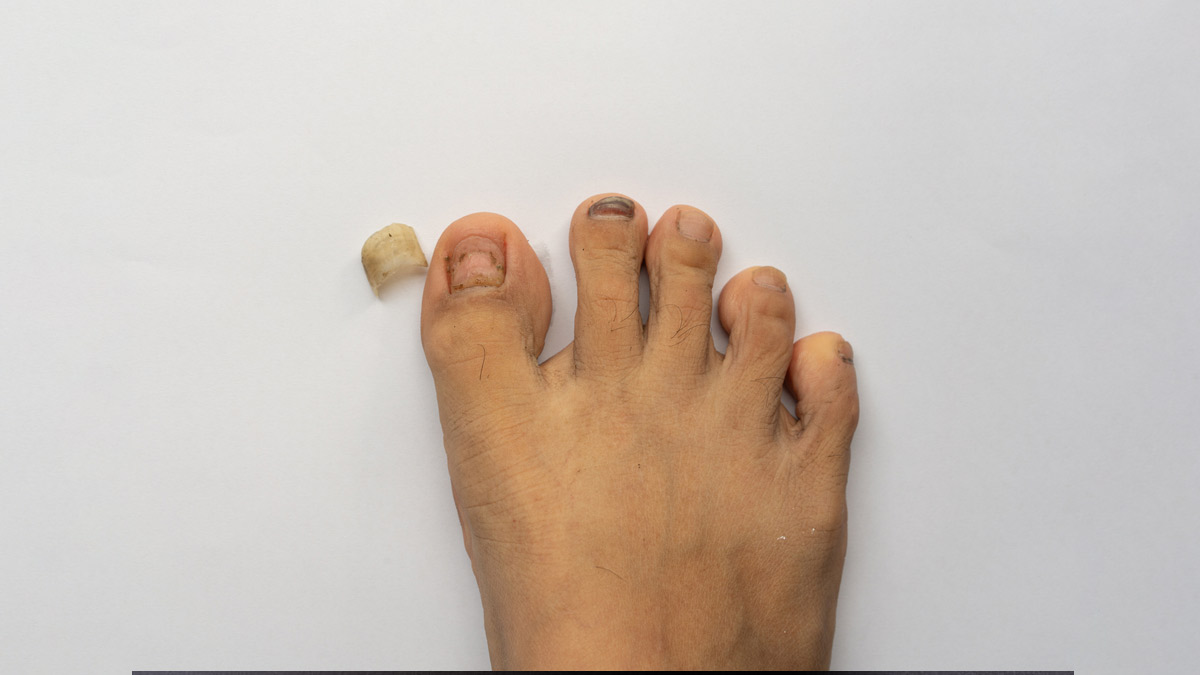
Another common consequence is toenail thickening. When nails are perpetually compressed, they can start to react by becoming thicker and harder. This isn't a sign of strength; it's a defense mechanism gone awry. Thickened nails are not only unsightly, but they can also become brittle and prone to breaking or splitting. They can also make it harder to trim your nails correctly, potentially leading to further problems like ingrown toenails.
And then there’s the dreaded black toenail, often caused by repeated trauma. This isn't necessarily a bruise from a single stubbed toe; it's the cumulative effect of your toenail repeatedly hitting the front of your shoe. This pressure can cause small blood vessels under the nail to burst, leading to that dark discoloration. While sometimes it grows out, persistent pressure can lead to more serious damage or even nail loss.
The culprit isn't just the length of the shoe, but also the width and the overall shape. A shoe that's too narrow can cram your toes together sideways, creating just as much mischief as a shoe that's too short.
Beyond the Nails: The Ripple Effect of Ill-Fitting Footwear
It’s not just your toenails that suffer. When your shoes are too small, they can wreak havoc on your entire foot. Calluses and corns are often the body’s way of trying to protect itself from the constant friction and pressure of ill-fitting shoes. These hardened patches of skin can be uncomfortable and, in severe cases, painful.
Furthermore, small shoes can affect your posture and gait. You might unconsciously alter how you walk to compensate for the discomfort, leading to strain on your ankles, knees, and even your hips. Over time, this can contribute to chronic pain and other musculoskeletal issues. Think of it like wearing an ill-fitting backpack; it throws your whole body out of alignment.
The Foot-tastic Solution: Finding Your Perfect Fit
So, how do you avoid becoming a victim of tiny shoe syndrome? It’s simpler than you might think!
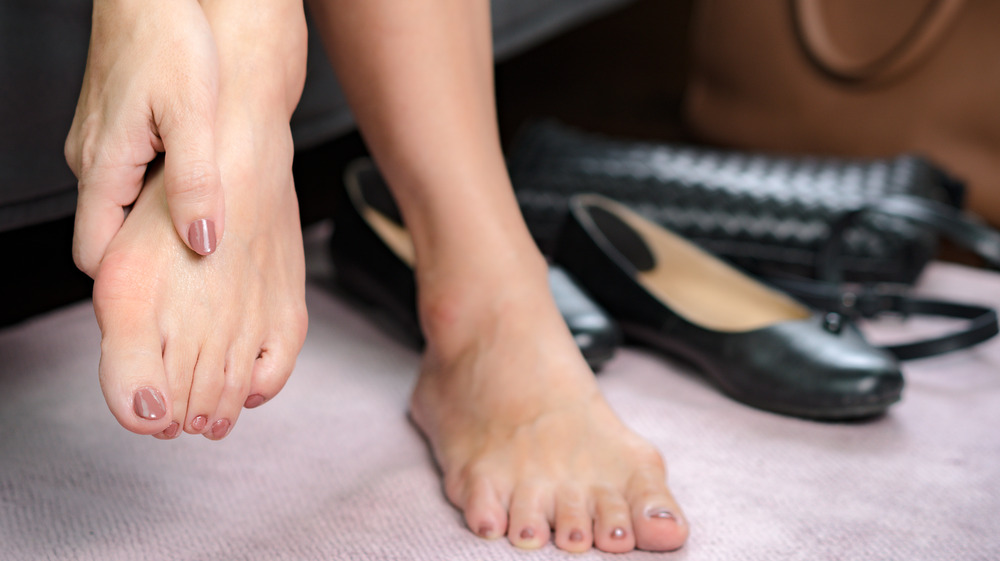
- Measure Up! Don't assume you know your size. Your foot size can change throughout your life due to age, weight, and even pregnancy. Visit a shoe store and get your feet measured professionally, ideally at the end of the day when your feet are naturally at their largest.
- Mind the Gap! When trying on shoes, ensure there's about a thumb's width of space between the end of your longest toe and the tip of the shoe. Your toes should have room to wiggle freely.
- Width Matters! Pay attention to the width of the shoe as well. Your foot should feel snug but not constricted across the widest part.
- Walk the Walk! Always try on shoes and walk around the store. Pay attention to any pinching, rubbing, or pressure points. Don't buy shoes hoping they’ll “break in” if they’re already causing discomfort.
- Know Your Materials! Some materials, like leather, will stretch and mold to your foot over time. However, this shouldn’t be an excuse to buy shoes that are significantly too small. Synthetics often have less give.
Taking a little extra time and care when choosing your footwear can save you a world of pain and prevent a whole host of toenail troubles. So, next time you’re eyeing up those tempting, but snug, shoes, remember the little guys – your toenails – and give them the space they deserve. Happy (and comfortable) walking!