
Are Butter Chicken And Tikka Masala The Same
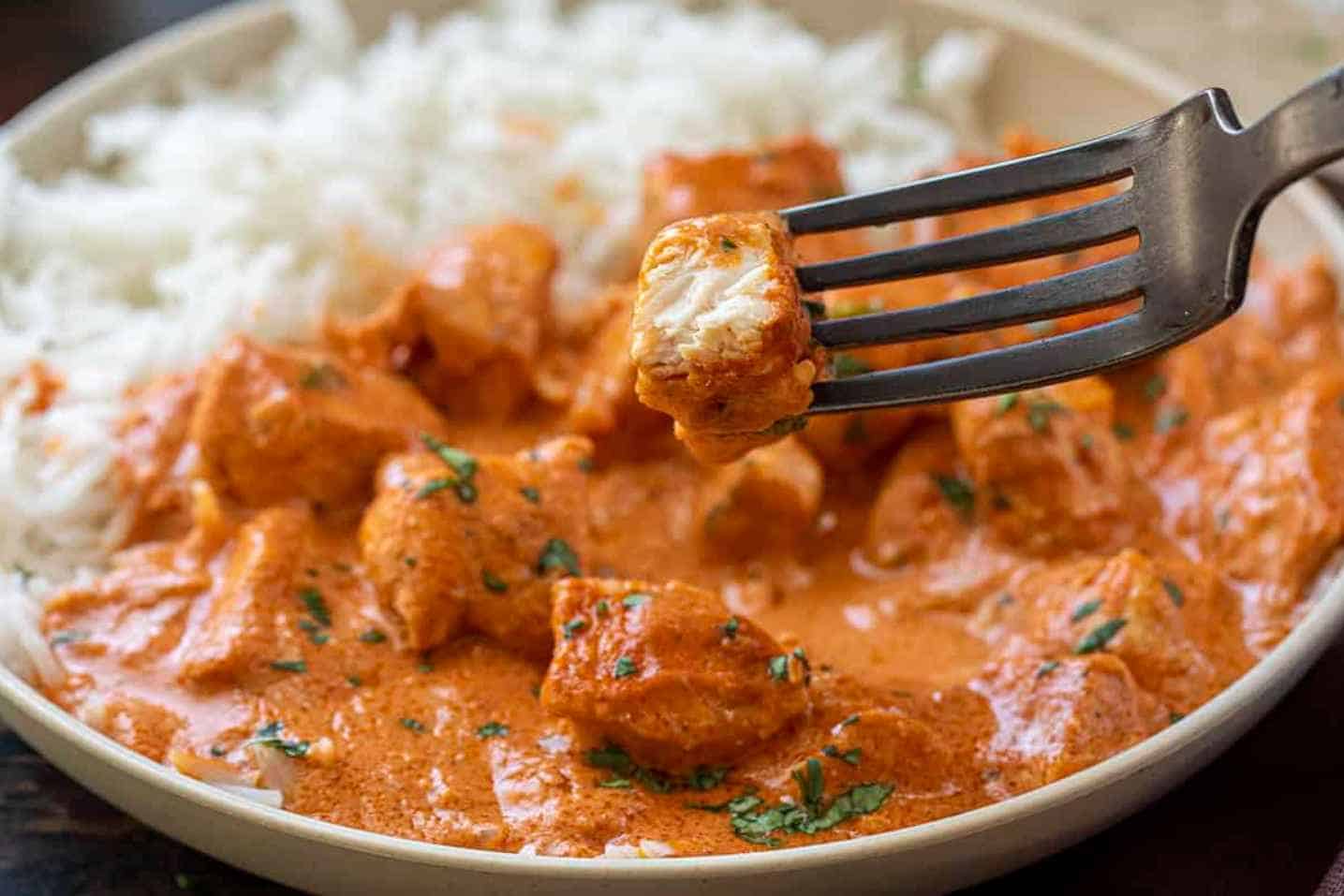
Hey there, foodie friends! Let’s talk about something that’s probably caused a little confusion in your culinary adventures, especially if you’ve ever found yourself staring at a menu, eyes wide, trying to decipher the delicious differences between two of India’s most beloved dishes: Butter Chicken and Chicken Tikka Masala. Are they the same thing? Are they distant cousins? Or are they just two peas in a spicy, creamy pod? Grab a naan, settle in, and let’s get to the bottom of this delicious mystery!
First off, I get it. They both have "chicken" in the name. They're both usually orange-ish, creamy, and absolutely bursting with flavor. They’re the dynamic duo of Indian takeout, the superstars of many a dinner party. It’s totally understandable why you might lump them together. I mean, if you’re just craving that rich, tomatoey goodness, does it really matter which one you pick? Well, sort of. But also, not entirely. Think of it like this: your favorite comfy sweater and a slightly fancier, equally comfy sweater. Both are great, but they have their own subtle charms, right?
Let’s dive into the main players. We have Butter Chicken, also known as Murgh Makhani. The name itself gives you a pretty good clue, doesn't it? Butter! Lots and lots of glorious, rich butter. This dish is practically a warm hug in a bowl. It originated in Delhi, believe it or not, in the mid-20th century. It’s said to have been created by accident by the founders of a restaurant called Moti Mahal. They were apparently left with some leftover tandoori chicken and, instead of letting it go to waste, decided to simmer it in a rich, buttery, tomato-based gravy. And voila! A legend was born. Who knew deliciousness could come from a kitchen oopsie?
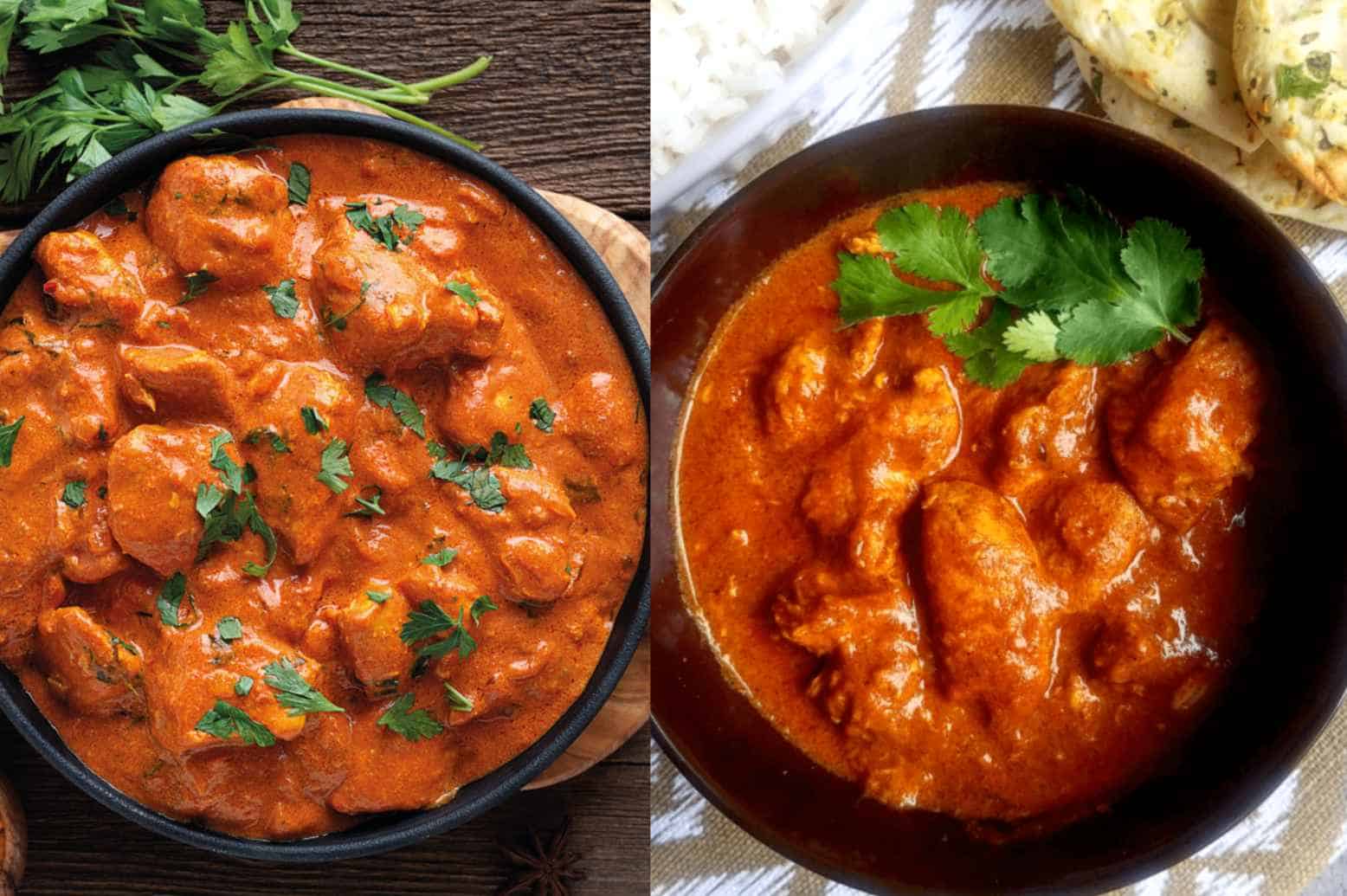
The key characteristics of Butter Chicken are its incredibly smooth and velvety texture. It’s all about that lusciousness. The gravy is typically made with tomatoes, cashews (for that extra creaminess and slight sweetness), and a generous amount of butter and cream. That’s right, butter and cream. It’s not shy about its dairy, and honestly, neither am I when it comes to this dish. The spices are usually milder than some other Indian curries, focusing on flavors like ginger, garlic, garam masala, and fenugreek (kasoori methi). Fenugreek is that secret weapon that gives it a unique, slightly bitter, and aromatic depth. It’s the gentle giant of Indian curries, comforting and familiar, like a warm blanket on a chilly evening. You won't usually find chunks of whole spices floating around in a proper Butter Chicken; it's all about that silken finish.
Now, let's pivot to our other contender: Chicken Tikka Masala. This one is a bit more of a global phenomenon, and its origins are… well, let’s just say a tad more debated. The most popular origin story suggests it was invented in the UK, by a Bangladeshi chef, to cater to the British palate. Apparently, someone complained their chicken tikka was too dry, and the chef whipped up a creamy tomato sauce to go with it. So, in a way, it’s a testament to culinary innovation and the power of adapting dishes to suit different tastes. It's like the popular kid who can adapt to any social gathering, always fitting in and making everyone happy!
So, what makes Chicken Tikka Masala tick (pun intended)? The defining feature here is the chicken itself. It’s usually marinated in yogurt and spices (turmeric, cumin, coriander, chili powder, ginger, garlic – the whole gang!) and then grilled or baked, often in a tandoor oven. This gives the chicken a smoky, charred flavor and a wonderfully tender texture, even after being simmered in the sauce. That char is key, my friends. It adds a whole other layer of complexity to the dish. The "tikka" in Chicken Tikka Masala refers to these marinated and grilled pieces of chicken.
The sauce for Chicken Tikka Masala is also tomato-based, and yes, it often contains cream or yogurt. However, it's typically richer and more robust in flavor than Butter Chicken. It usually has a more pronounced spice profile, with a more assertive use of ginger, garlic, and various ground spices. You might also find that the sauce has a slightly less smooth, more textured consistency compared to the velvety finish of Butter Chicken. Think of it as having little bits of flavor and spice that you can really sink your teeth into. It’s the adventurous sibling, always up for a bit more excitement on the flavor front.
Let's break down the key differences in a super-simple way, so you can impress your friends at your next Indian food feast. Imagine you're building your dream chicken curry:
The Chicken Factor:
- Butter Chicken: The chicken is usually pre-cooked (often boiled or poached) and then added to the sauce. It’s more about the tender, melt-in-your-mouth texture within the gravy.
- Chicken Tikka Masala: The chicken is marinated, grilled or baked first (hence the "tikka"), giving it a distinct smoky, slightly charred flavor. This grilled chicken is then added to the sauce.
The Sauce Showdown:
- Butter Chicken: Think super smooth, velvety, and luxurious. The sauce is often blended to a silken finish, with a dominant flavor of butter and cream, balanced by tomato and a hint of fenugreek. It’s the ultimate comfort food sauce.
- Chicken Tikka Masala: The sauce is generally thicker and more robust, with a more complex spice profile. It can be smooth, but often has a more noticeable texture from the spices and sometimes a bit of onion or garlic that hasn’t been fully blended. It’s got a bit more of a "kick" and a more assertive savory flavor.
The Spice Level:
- Butter Chicken: Generally milder and more subtle. It’s designed to be approachable and comforting, with a focus on rich, creamy flavors.
- Chicken Tikka Masala: Typically has a more pronounced spice level and a bolder flavor. It’s not necessarily super hot, but the spices are more prominent and you’ll taste them more distinctly.
The Creaminess Factor:
- Butter Chicken: Leans heavily on butter and cream for its signature richness and smoothness. It’s practically a dairy lover’s dream.
- Chicken Tikka Masala: Also uses cream or yogurt, but the emphasis is less on pure dairy richness and more on the spices and the grilled chicken.
So, are they the same? No, they are not! While they share some common ground – both are tomato-based, creamy, delicious chicken dishes often found on Indian restaurant menus – they have distinct personalities. One is the embodiment of creamy, buttery indulgence, while the other is the star of grilled, spiced perfection. It’s like comparing a beautifully crafted latte to a robust, flavorful espresso with a splash of milk. Both coffee, but oh-so-different experiences!
Sometimes, you'll even find variations. A "Chicken Tikka Masala" might lean more towards the creamy Butter Chicken style, or a "Butter Chicken" might have a bit more of a spiced kick. The beauty of food, right? It evolves, it gets interpreted, and it brings joy in countless forms. So, don't be afraid to ask your server! A good Indian restaurant will be happy to tell you about their specific take on these classics.
Ultimately, whether you choose Butter Chicken or Chicken Tikka Masala, you’re in for a treat. Both dishes are testaments to the incredible flavors and culinary ingenuity that Indian cuisine offers. They’ve travelled the globe, charmed palates, and become beloved comfort foods for so many. So, the next time you’re ordering, try to pick the one that speaks to your craving of the moment. Are you feeling like a decadent, creamy hug? Go for the Butter Chicken. Are you craving that smoky, spiced, grilled chicken goodness? Chicken Tikka Masala it is!
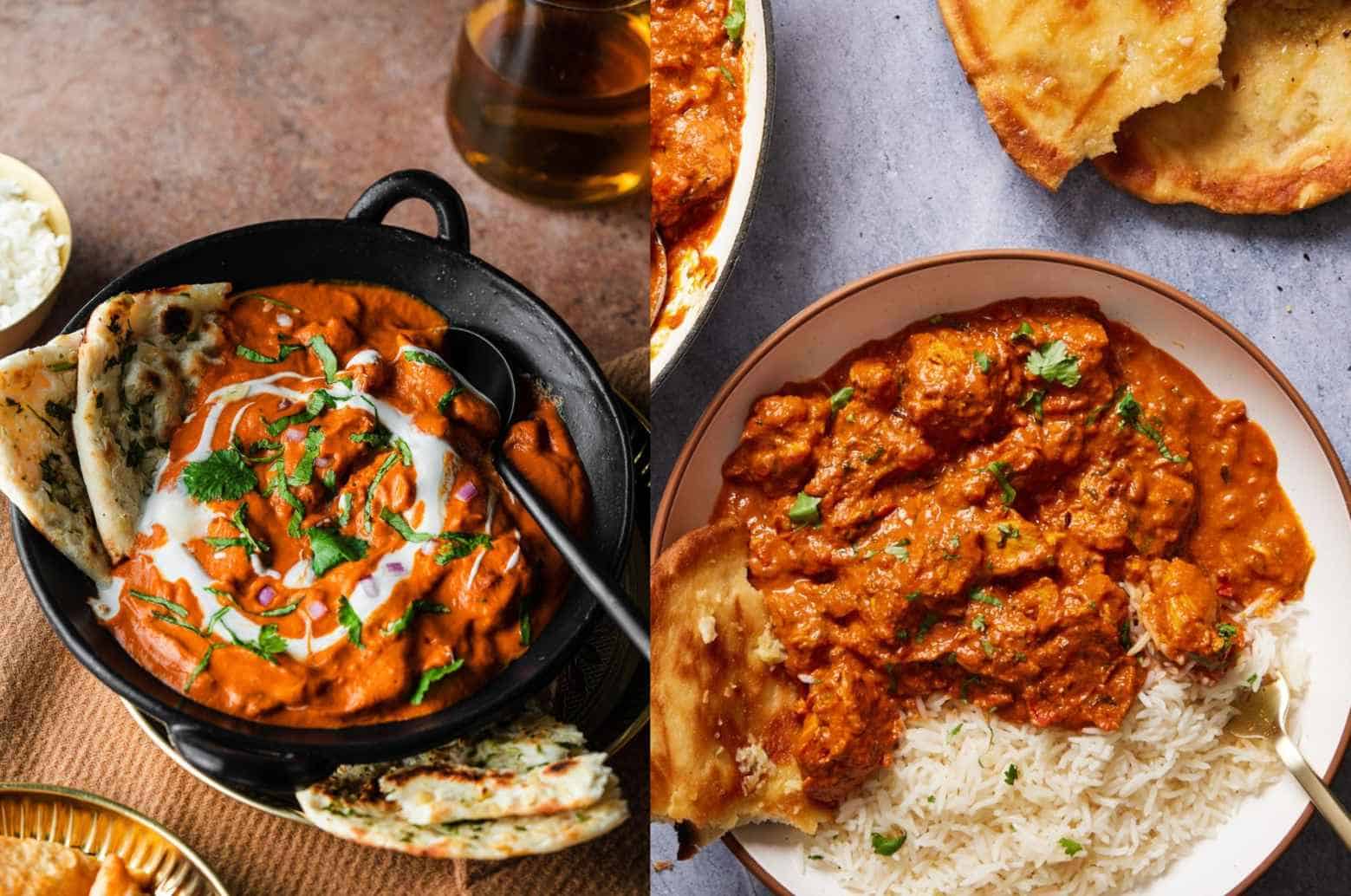
And hey, if you’re still unsure, why not order both and have a little taste test? You deserve it! Because at the end of the day, the most important thing is that you’re enjoying delicious food, sharing it with people you care about, and savoring those moments of pure culinary bliss. So, raise your fork (or spoon!), cheers to amazing flavors, and keep exploring the wonderful world of food. Happy eating, everyone!